Anxiety in dogs is more common than a lot of owners realize, and it shows up as destructive behavior, excessive barking, trembling, or avoidance. Understanding your real options — training, medication, or a combination — helps you build a plan that actually addresses the root of it, rather than just managing symptoms as they pop up.
Recognizing the pattern
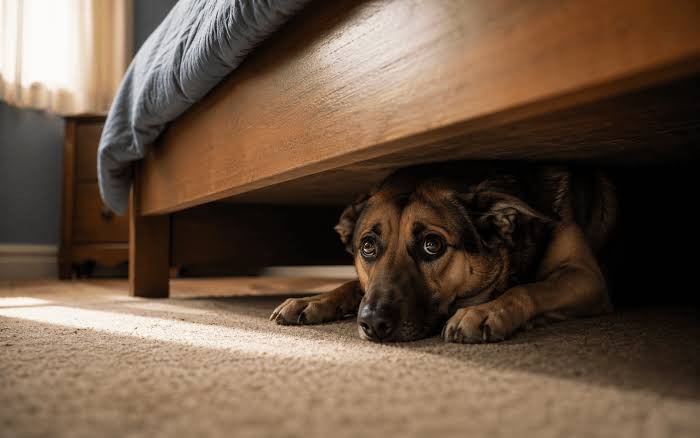
Anxious dogs often show a consistent pattern: pacing, panting without physical exertion, excessive licking, destructive chewing (especially around doors or windows), house soiling despite being trained, or clinginess. Some dogs show it more subtly, going quiet or unusually still instead. Catching these patterns early makes it easier to address the cause before it escalates.
When training is the right place to start
For mild to moderate anxiety, especially in younger dogs or anxiety tied to specific, identifiable triggers, behavioral training is often the most effective first move. Positive reinforcement-based desensitization and counter-conditioning — gradually and safely exposing a dog to a trigger while building positive associations — has strong support in current behavior science. Our guide on finding a reliable dog trainer covers what to look for in someone experienced specifically with anxiety-related behavior.
When medication enters the conversation
For more severe or generalized anxiety, training alone sometimes isn’t enough — particularly when a dog is too anxious to engage with training exercises at all. In these cases, a vet may recommend anti-anxiety medication, either short-term for specific triggers like fireworks or vet visits, or longer-term for generalized anxiety. Medication usually isn’t a replacement for training here — it’s often what makes training possible, by lowering a dog’s baseline stress enough for actual learning to happen.
Why this decision belongs to your vet
Anxiety medication should never start without veterinary guidance. A vet will typically rule out underlying medical causes first, since conditions like pain, thyroid imbalance, or neurological issues can present with anxiety-like symptoms. From there, they can recommend the right medication, dosage, and monitoring plan for your specific dog.
Common approaches vets recommend
- Situational medication for specific, predictable triggers — thunderstorms, travel
- Daily maintenance medication for chronic, generalized anxiety
- Supplements or calming aids for milder cases, often alongside training
- A combined plan integrating medication with a structured behavioral program
Consistency matters more than people expect
If your vet prescribes anxiety medication, staying consistent matters a lot — missed doses can undo progress and make symptoms harder to manage. A dependable refill routine helps prevent gaps, which is especially important for medications that need to build up in a dog’s system over time. PetPharmacy Hub’s directory makes finding a pharmacy that offers reliable refills straightforward, so treatment stays on track.
What helps beyond medication and training
Environmental factors matter too — consistent routines, adequate exercise, and a calm home all lower baseline anxiety. Dogs who attend day care or get regular walks often show real improvement just from having predictable structure and an outlet for energy. Our guide on dog walker vs. dog sitter can help you find the right support structure if your dog’s anxiety is tied to being alone.
Progress rarely moves in a straight line
Whether you pursue training, medication, or both, improvement with anxiety is rarely linear — expect gradual gains with occasional setbacks along the way. Working closely with your vet and, if needed, a qualified trainer gives your dog the best shot at a calmer, more confident life, and gives you the tools to actually help them get there.