As dogs age, a lot of them develop one or more chronic conditions — arthritis, heart disease, kidney issues, hormonal imbalances — that call for consistent, long-term management rather than a single fix. Caring for a senior dog is less about solving a problem and more about maintaining quality of life through steady, well-organized care.
Chronic conditions that show up often in senior dogs
Arthritis is one of the most common issues in aging dogs, bringing stiffness, reduced mobility, and visible discomfort, especially after rest. Heart disease tends to develop gradually and often needs daily medication to manage symptoms and slow progression. Kidney disease is another frequent concern, usually managed through a combination of diet and medication. Hypothyroidism and other hormonal imbalances can also show up in senior dogs, typically requiring lifelong daily medication once diagnosed.
Catching the early warning signs
Because chronic conditions tend to develop gradually, changes are easy to miss day to day. Watch for slower rising from rest, reluctance to jump or take stairs, increased thirst or urination, appetite changes, or general lethargy. Bringing these observations to your vet early, even when they seem minor, often leads to earlier diagnosis and a meaningfully better long-term outcome.
Managing multiple medications without losing the thread
Senior dogs managing more than one condition often end up on several medications with different schedules, which can genuinely get hard to track. A few things help:
- A pill organizer labeled by day and time, the same way you’d manage it for a human family member
- A written or digital log of what’s been given and when
- Recurring reminders for both daily doses and upcoming refills
- Consolidating refill timing where possible, so you’re not juggling separate pharmacy trips
Why a reliable refill system matters more here
Gaps in treatment are riskier for senior dogs than younger ones, since chronic conditions can progress faster without consistent medication. Running out of heart medication or arthritis treatment even briefly can lead to a noticeable decline. PetPharmacy Hub’s directory is built to help you avoid exactly this — compare verified pharmacies offering home delivery so multiple ongoing prescriptions stay on schedule without you manually tracking every single one.
Supporting comfort beyond medication
Alongside treatment, small environmental changes can meaningfully improve a senior dog’s comfort — non-slip flooring, ramps instead of stairs, orthopedic bedding, shorter and gentler walks. These work alongside prescribed treatment rather than replacing it, and many vets can point you toward specific products suited to your dog’s particular condition.
Grooming needs shift with age too
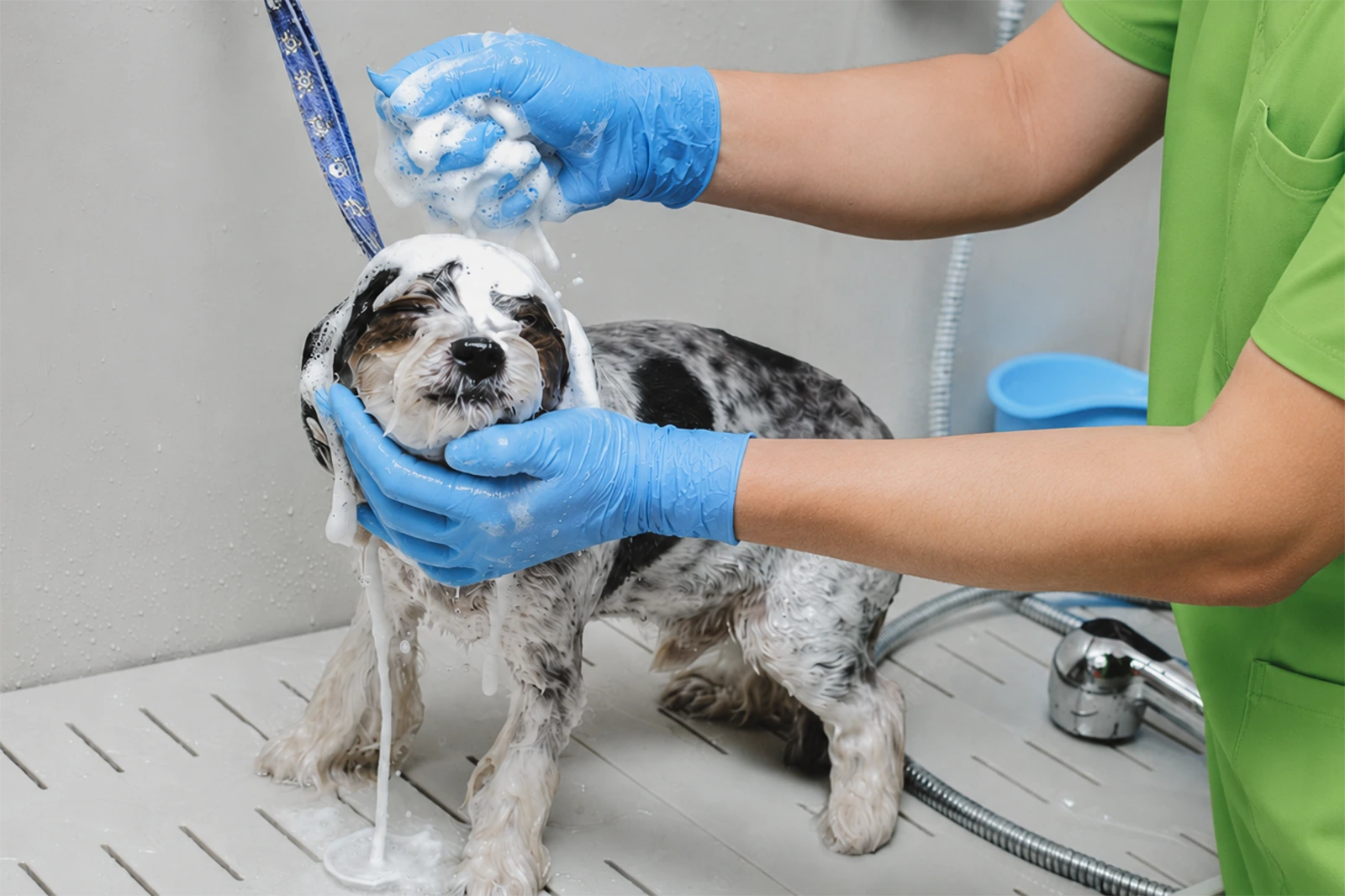
Older dogs often need gentler, more frequent grooming attention, both for comfort and to catch skin issues, lumps, or mobility-related matting early. If your senior dog is due for grooming, our guide on how grooming affects skin and medication needs covers what to look for and how to choose a groomer experienced with older dogs.
Balancing treatment with quality of life
Caring for a senior dog with a chronic condition ultimately comes down to balance — following the treatment plan closely while staying attentive to your dog’s overall comfort and happiness. Regular check-ins with your vet help ensure that plan keeps reflecting your dog’s changing needs as they age.
Building something sustainable
The senior dogs who do best long-term usually have owners who’ve built a simple, sustainable system: consistent medication, regular checkups, thoughtful home adjustments, and a dependable pharmacy relationship that takes the logistical stress out of ongoing care. With that in place, managing a chronic condition becomes far less overwhelming — for both of you.