Bringing home a new dog comes with an endless list of things to learn, and understanding how pet medication and pharmacies actually work is one that tends to get skipped over until you suddenly need it. This is the crash course you’re better off reading before that first prescription lands in your hands.
What a pet pharmacy actually does
A pet pharmacy dispenses medication prescribed by a licensed vet, the same basic idea as a human pharmacy filling a doctor’s order. That covers everything from short-term antibiotics to long-term treatment for chronic conditions, plus preventive medication like flea, tick, and heartworm coverage. Some pharmacies operate right out of the vet clinic; others are separate, and some ship straight to your door. PetPharmacy Hub’s directory helps you compare verified options across all of these.
Why a prescription is required at all
Like human medication, veterinary drugs are regulated, and many require a valid prescription from a vet who’s examined your dog or has an established relationship with them. This isn’t red tape for its own sake — dosing varies enormously by weight, age, breed, and health history, and getting it wrong can be genuinely dangerous. A prescription is the check that ensures the medication and dose are actually right for your specific dog.
The basic process, step by step
- Your vet examines your dog and diagnoses a condition, or confirms a preventive care need.
- They write a prescription specifying medication, dosage, and duration.
- You choose where to fill it — the clinic, a local pharmacy, or an online option.
- You give the medication exactly as directed and watch for any changes.
Medications new owners tend to encounter first
- Preventive medication for fleas, ticks, and heartworm — usually started in puppyhood and continued for life
- Vaccination-related medications during the first year
- Deworming treatments, common in puppies specifically
- Occasional antibiotics for minor infections
- Pain relief after spay/neuter surgery or a minor injury
Knowing these categories ahead of time makes conversations with your vet much easier — you’ll already have context for what they’re recommending and why, instead of nodding along and Googling it in the parking lot.
Reading a label without guessing
Every label should include the medication name, dosage, frequency, and duration. If anything’s unclear — abbreviations, timing relative to meals, what to do about a missed dose — ask your vet or pharmacist directly rather than guessing. This matters especially for new owners who haven’t yet built up a mental library of what’s normal.
Choosing between in-clinic and online
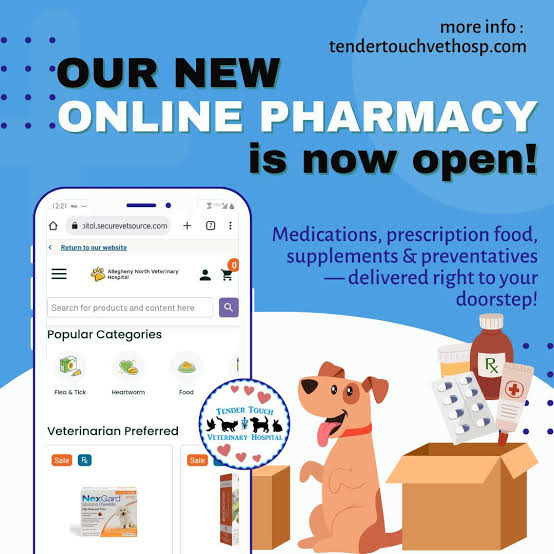
Both have a real place. Filling at your vet’s clinic is convenient for a one-time or short-term need, especially right after an appointment. For ongoing or preventive medication, an online option often wins on pricing, home delivery, and reminders to reorder before you’re out. Our piece on choosing between a local clinic and an online pharmacy goes deeper on this distinction.
Build the habit early
New owners who build strong medication habits from the start — tracking doses, keeping refill schedules, staying consistent on preventives — tend to hit fewer surprises down the line. Something as basic as a phone reminder, or a pharmacy that reorders automatically, makes a real difference over your dog’s lifetime. Our flea, tick, and heartworm guide is a solid place to start building that routine.
Never hesitate to ask
Call your vet’s office with questions, even the ones that feel basic. Vets and their staff would much rather answer a simple question than have an owner guess wrong. The same goes for pharmacy staff — if something about a prescription doesn’t add up, ask before you give it.
Setting yourself up well
Owning a dog means being their advocate for lifelong health, and understanding pet pharmacies is one foundational piece of that. With a good vet relationship, a pharmacy you trust, and a bit of organization, managing medication needs becomes second nature — one less thing to stress about while you’re busy enjoying life with your new dog.
Find a vet clinic or pet pharmacy near you
Browse PetPharmacy Hub’s nationwide vet clinic directory to find verified pet pharmacies and clinics in your state — searchable by service type, emergency availability, and more.