Whether your dog just had a routine spay or neuter or something more involved, the days that follow matter just as much as the procedure itself. How well you manage the recovery period directly shapes how smoothly and quickly your dog bounces back.
Setting up a recovery space before you’re home
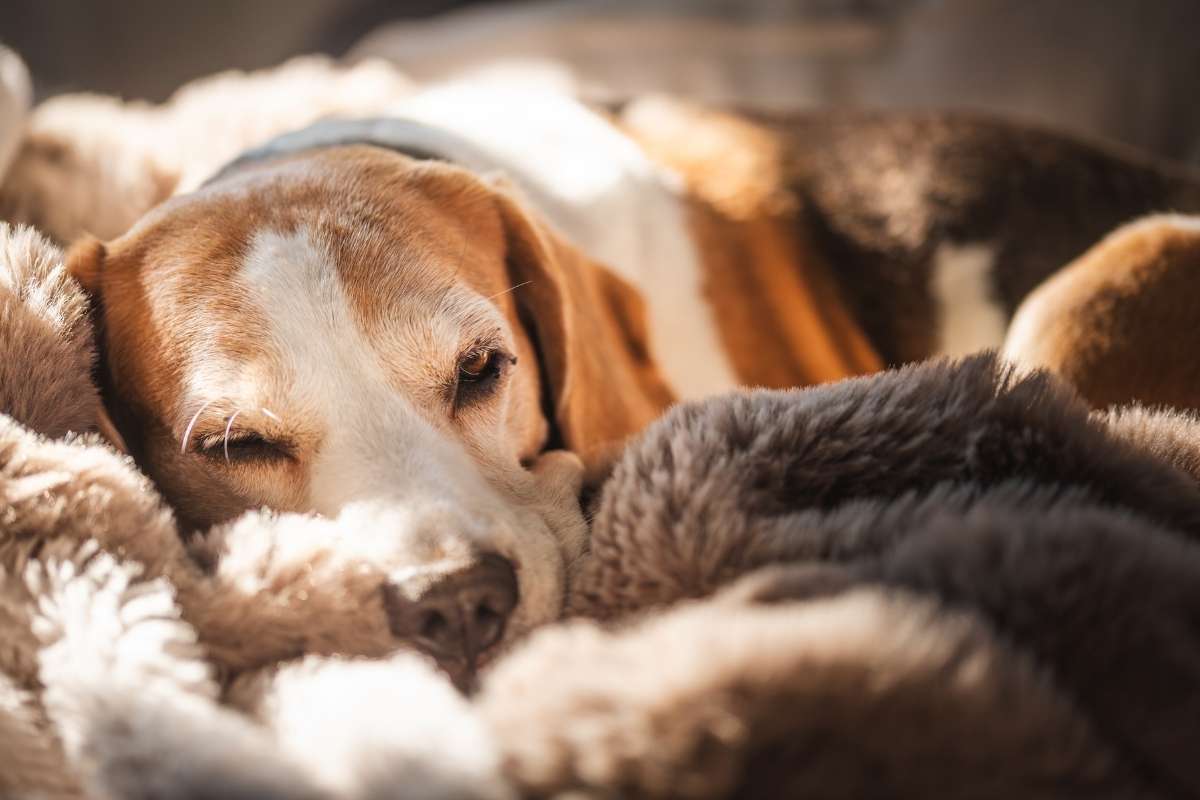
Prepare a quiet, comfortable spot away from other pets, stairs, and high-traffic areas before you even bring your dog back. A low bed or crate with soft bedding works well, since jumping and running need to be restricted during initial healing. Keep it at a comfortable temperature and easy to reach for bathroom breaks.
Understanding what you’re actually managing
Most discharge plans combine pain management with, in many cases, antibiotics. Follow the exact dosage and schedule, even if your dog seems to be feeling noticeably better a day or two in — pain can mask lingering discomfort, and stopping early can slow healing or let infection take hold. Our guide on medications commonly prescribed after an emergency or surgical visit covers what these typically do and how to manage them with confidence.
The cone or wrap is non-negotiable
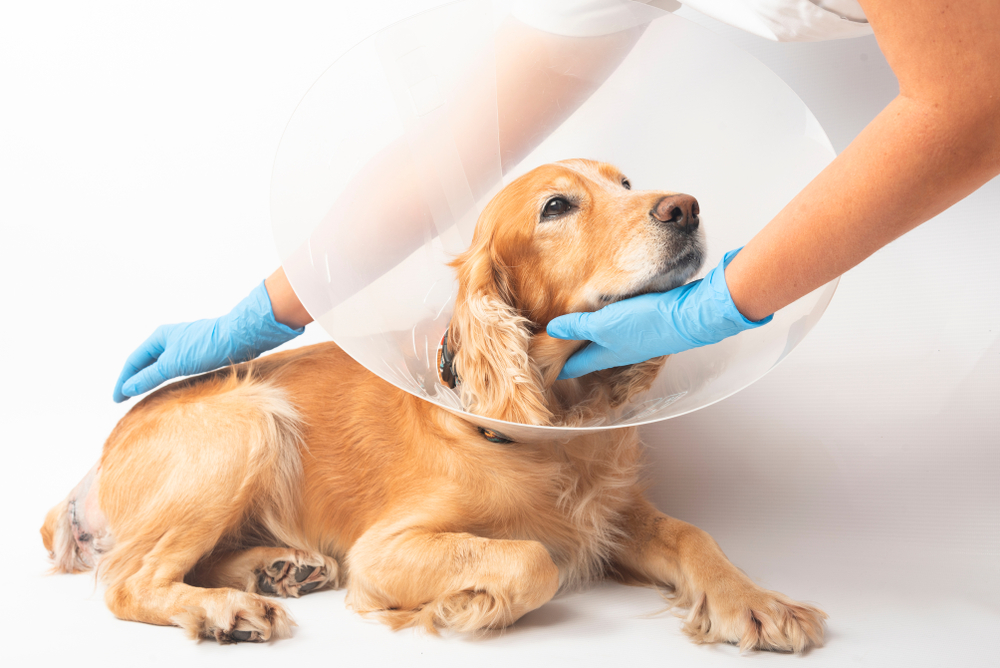
Most dogs need a protective cone or recovery suit to keep them from licking or chewing the incision. It’s tempting to take it off once your dog seems fine, but licking introduces bacteria and can delay healing significantly. If your dog is miserable in a traditional cone, ask your vet about alternatives like inflatable collars or recovery suits — many dogs tolerate these far better.
Restricting activity, the genuinely hard part
Activity restriction is one of the toughest parts of recovery, especially for an energetic dog. Short, controlled leash walks for bathroom breaks are usually fine, but running, jumping, and rough play need to wait until your vet clears normal activity — typically 10 to 14 days for routine procedures, longer for anything more involved. If confinement is a real struggle for your dog, a short course of vet-approved calming medication can help, similar to the approaches covered in our anxiety medication vs. training piece.
Checking the incision site
Check it once or twice daily for warning signs: excessive redness, swelling, discharge, a foul smell, or the incision reopening. Mild bruising and slight swelling right after surgery are usually normal — but anything that seems to be worsening rather than improving warrants a call to your vet.
Feeding and hydration during recovery
A reduced appetite in the first day or two is generally normal, especially after anesthesia. Offer small, easily digestible meals and keep fresh water available at all times. If your dog refuses food entirely for more than 24 hours, or seems nauseous, call your vet.
When to call immediately, not wait and see
Certain signs need an immediate call, not a wait-and-see approach: persistent vomiting, difficulty breathing, a significant change at the incision site, lethargy that seems to be worsening, or a fever. Our guide on signs your dog needs immediate veterinary care offers a broader breakdown of red flags worth acting on.
Staying ahead on refills during a longer recovery
Recovery sometimes stretches beyond the initial prescription, particularly for pain management in older dogs or more involved surgeries. Being able to refill medication quickly, without another clinic trip, keeps your dog comfortable through the entire healing process. PetPharmacy Hub’s directory makes finding a pharmacy that can refill fast straightforward.
Patience pays off here
It’s hard watching your dog feel uncomfortable or restricted during recovery, but following your vet’s guidance closely — even when your dog is clearly eager to get back to normal — gives them the best shot at a full, complication-free recovery. A little extra caution in the first couple of weeks almost always pays off in the end.