If you’ve ever wrestled a cat to swallow a pill or watched a dog spit out a tablet hidden in three layers of cheese, you already understand the problem compounding pharmacies exist to solve. Compounding takes a standard medication and rebuilds it — in flavor, form, or strength — into something your specific pet will actually accept.
What compounding actually means
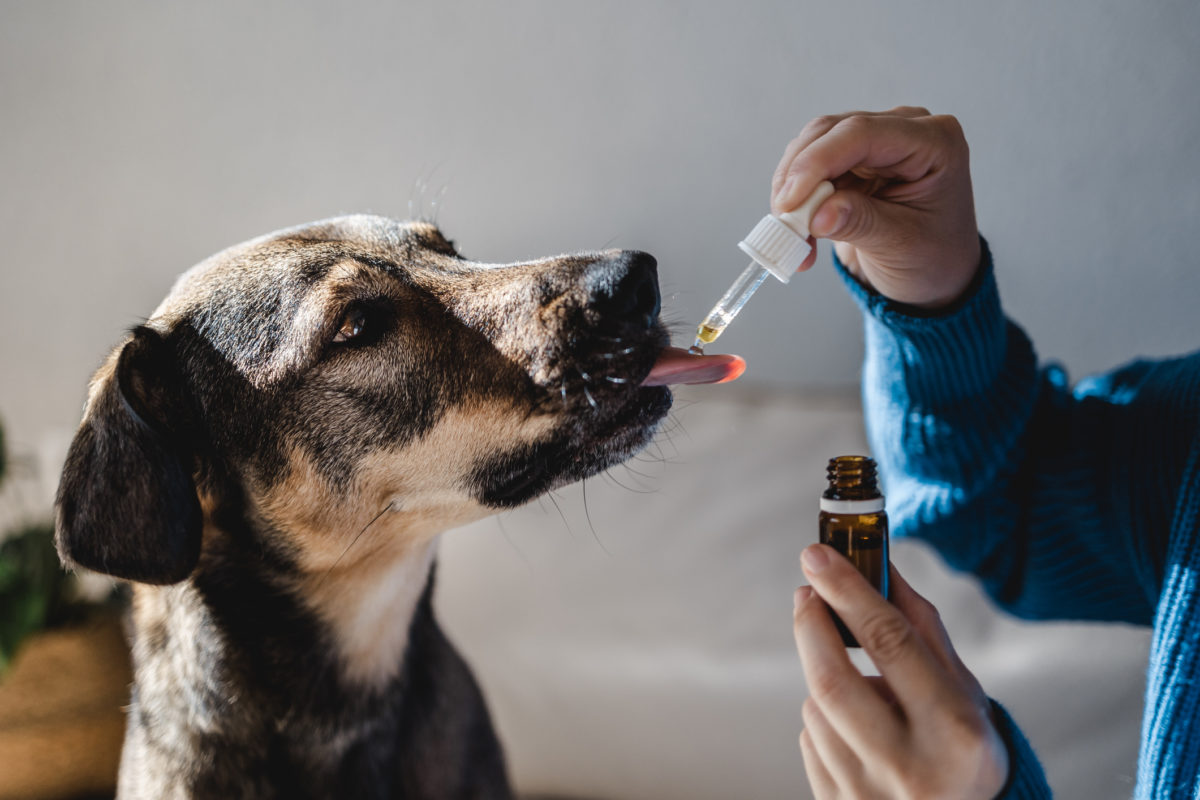
A compounding pharmacist starts from the same active ingredient your vet prescribed, then reformulates the delivery method. A bitter antibiotic tablet might become a tuna-flavored liquid suspension. A medication only manufactured in a large human dose might be recompounded into a much smaller volume appropriate for a cat. This isn’t a generic version of the drug — it’s a custom-built one, made to order for your pet, based on your vet’s prescription.
Common reasons vets recommend compounding
- Picky eaters and pill-averse animals — flavored liquids, chews, or transdermal gels bypass the fight entirely
- Unusual dosing needs — exotic pets, very small breeds, or animals on fractional doses that don’t match commercial tablet sizes
- Discontinued or unavailable drugs — when a manufacturer stops producing a formulation your pet has relied on for years
- Combination medications — merging two or more prescribed drugs into a single dose to simplify a complicated regimen, something that comes up often when managing chronic pain in senior pets
How the process works, start to finish
Your veterinarian writes a prescription specifying the compounding request — flavor preference, dosage form, and strength. You then take that prescription to a licensed compounding pharmacy, which can be a physical location or an online provider with home delivery. The pharmacist prepares the batch, tests it for accuracy, and labels it exactly like any other prescription — meaning the same label-reading rules apply.
Turnaround time varies. Simple reformulations (tablet to flavored liquid) are often ready same-day or next-day. More complex requests, like transdermal gels for cats that won’t tolerate oral medication at all, may take a few days.
Is compounded medication as effective as the original?
When prepared by an accredited, licensed compounding pharmacy, yes — the active ingredient and dose are preserved; only the delivery format changes. This is why verification matters. Every pharmacy in our directory is checked for licensing and accreditation, because compounding quality varies significantly between providers, and an improperly prepared batch can under- or over-dose the active ingredient.
What compounding does not do
Compounding cannot make an ineffective drug work better, and it isn’t a way around getting a prescription — a compounding pharmacy still requires a valid veterinary order for anything that isn’t available over the counter. It also isn’t always cheaper than the commercial version; custom preparation carries its own cost, which is worth weighing against pet insurance prescription coverage if your plan includes pharmacy benefits.
Talking to your vet about compounding
If your pet has ever refused a medication outright, ask your veterinarian directly whether a compounded alternative exists. Bring specifics — what flavors your pet already likes, whether they’ll accept a soft chew versus a liquid — so the prescription can be written with the compounding pharmacy’s options in mind from the start. A five-minute conversation now can save weeks of medication battles later.