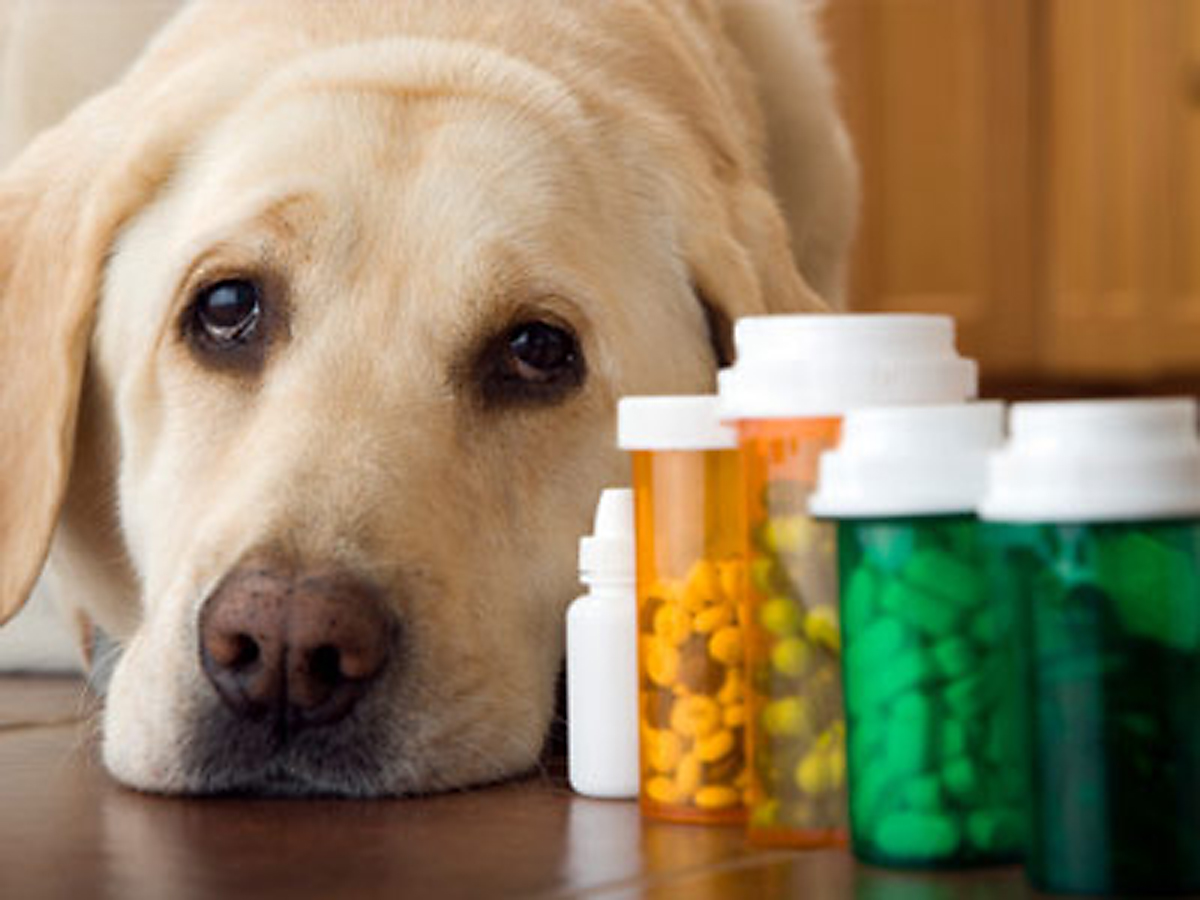
Every bottle a pet pharmacy hands you is covered in small print, abbreviations, and codes that can feel more like a puzzle than instructions. Misreading a label is one of the most common (and most preventable) causes of missed doses and accidental overdoses in pets. Here’s how to read one correctly, every time.
The core fields every label must show
By law, a pet prescription label must include the animal’s name, the prescribing veterinarian’s name, the drug name and strength, the quantity dispensed, and clear directions for use. If any of these are missing or illegible, ask your pharmacy to reprint the label before you leave — don’t guess.
Decoding dosage instructions
Dosage lines are usually written in shorthand carried over from human pharmacy practice:
- SID / q24h — once every 24 hours
- BID / q12h — twice daily, roughly 12 hours apart
- TID / q8h — three times daily
- PRN — as needed, within a stated maximum
- PO — by mouth
If your label says “1 tablet PO BID,” that means one tablet by mouth, twice a day. When in doubt, call the dispensing pharmacy rather than the general vet office — the pharmacist filled the exact order and can confirm timing without delay.
Refill limits and expiration dates
Look for two dates: the fill date and the discard-after or beyond-use date. Medications, especially compounded formulations, often have shorter shelf lives than commercially manufactured drugs. Using medication past its discard date can mean reduced potency rather than outright danger, but it’s not worth the risk for anything treating a serious condition.
Refill counts appear as “Refills: 2” or similar. Once refills run out, the pharmacy legally cannot dispense more without a new authorization from your vet — plan ahead if your pet is on a long-term medication like those used for managing chronic pain in senior dogs and cats.
Warning stickers and auxiliary labels
Small colored stickers on the bottle carry critical safety information:
- Yellow “may cause drowsiness” — avoid driving your pet to unfamiliar, high-stimulation environments shortly after dosing
- Red “for animal use only” — a reminder that human family members should never take the medication
- Blue “shake well” — common on liquid suspensions where the active ingredient settles
- “Give with food” — skipping this with certain anti-inflammatories can cause stomach upset
What to do if a label looks wrong
If the dosage seems unusually high, the drug name doesn’t match what your vet discussed, or the animal’s name is wrong, stop and call the pharmacy immediately. Reputable pharmacies — the kind verified in our pharmacy directory — will happily double-check an order against the original prescription rather than have you guess.
Keep a simple medication log
For pets on more than one prescription, a simple written or app-based log prevents double-dosing. Note the drug name, time given, and who administered it if multiple people share pet-care duties. This is especially useful for households managing seasonal flea and tick prevention alongside a chronic-condition medication, where schedules can otherwise blur together.
Reading a label carefully takes thirty seconds and can prevent a dosing error that costs your pet a trip to the emergency vet. When something doesn’t add up, your pharmacist is the fastest, most reliable person to ask.