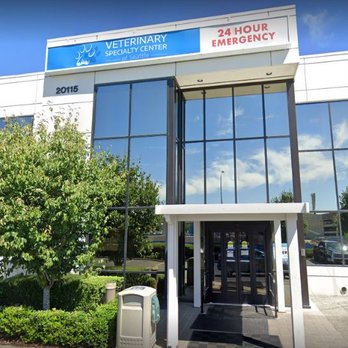
Washington State’s emergency veterinary care is concentrated most heavily around Seattle, which tracks with the region’s population density. Whether you’re in the city or a surrounding county, knowing your options ahead of time — instead of searching in a panic — is one of the more valuable things you can do as a dog owner here.
Why Seattle’s network is genuinely strong
As the state’s largest metro area, Seattle supports a dense network of animal hospitals, including several dedicated 24-hour emergency and specialty centers. That concentration is real good news for pet owners in and around the city — more choice, and typically shorter waits than more rural parts of the state.
Living outside Seattle changes the calculation
If you’re in a surrounding county or a more rural part of Washington, travel time to a true 24-hour emergency clinic can be significant. It’s worth identifying your closest option now, confirming their hours are genuinely round-the-clock and not just extended daytime hours dressed up to sound that way, and having a backup in case your first choice is at capacity.
What a solid Washington emergency vet should offer
Regardless of location, look for:
- True 24/7 staffing, holidays and weekends included
- On-site diagnostics — imaging and lab testing
- Clear, upfront cost communication before major decisions
- A defined triage process for prioritizing serious cases
- Willingness to share records with your regular vet afterward
What tends to bring Washington owners in
Every case is different, but common visits include trauma from accidents, suspected toxin ingestion (including certain plants and mushrooms common in the Pacific Northwest), gastrointestinal distress, and breathing difficulties. If you’re ever unsure whether a symptom qualifies as an emergency, our guide to warning signs that mean immediate care offers a clear way to decide quickly.
Weather and seasonal risks worth knowing
Washington’s wet climate and dense forested areas bring some region-specific risks — exposure to certain toxic plants and mushrooms during fall and winter, plus more tick exposure in warmer months. Being aware of these ahead of time can help you recognize a potential emergency sooner rather than later.
Preparing before you actually need it
The strategy is the same no matter where you live: identify your nearest 24-hour clinic before an emergency happens, save their number, and keep a small folder with your dog’s medical history and current medications. Pairing this with a basic emergency kit — covered in our guide on building a pet emergency kit — means you’re ready to act quickly if the moment comes.
After the visit
Once your dog’s been treated, getting the prescribed medication quickly matters just as much as the visit itself, especially for pain management or antibiotics that need to start right away. PetPharmacy Hub’s directory helps Washington owners find verified pharmacies fast, so recovery isn’t delayed by logistics. Our guide on medications commonly prescribed after an emergency visit walks through what to expect.
Preparation builds real confidence
Emergencies are stressful by nature, but a little preparation goes a long way toward making them manageable. Knowing your nearest reliable clinic, understanding your region’s specific risks, and having a plan for post-visit medication means you can focus on your dog’s care in the moment, rather than scrambling to figure out logistics under pressure.
Find verified clinics in Washington State
PetPharmacy Hub’s Washington State vet clinic directory lists verified pharmacies and clinics across every city in the state — searchable by service type, animal, and availability.